


Last Shelter: War Z
4.7956.00 Reviews
App Specs
- Version
- 26.0904.001
- Updated On
- License
- Free
- Downloads
- 1,000,000+
- Developer
- LAST ORIGIN STUDIO LIMITED
- Categories
- Strategy
- Platform
- Android
Screenshots
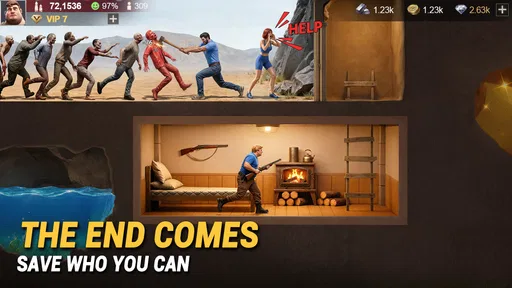
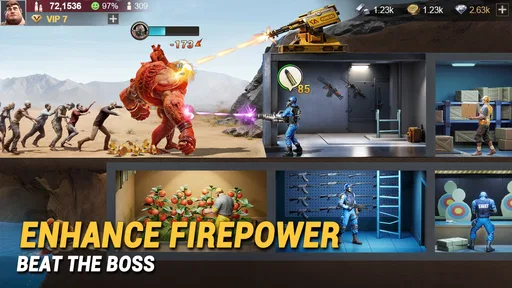
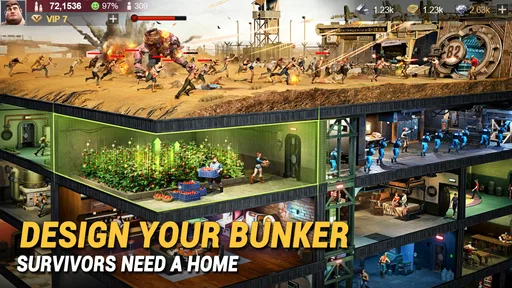

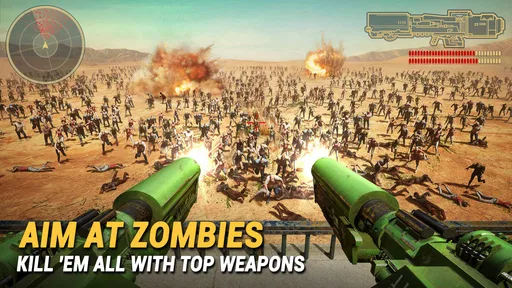
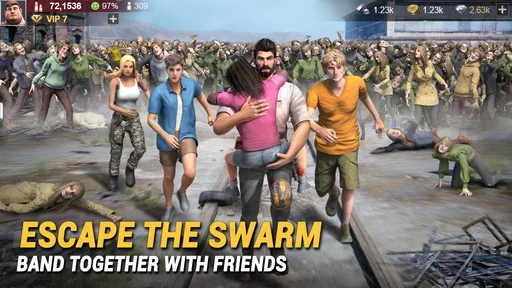
 Analysis by AppCompare
I like strategy games that make survival feel like a series of decisions rather than a string of battles, and Last Shelter: War Z sets up that kind of tension from the outset. It is a strategy game built around a zombie-apocalypse setting, with the player cast as a commander trying to explore, conquer, and stay alive. That premise is easy to understand, but it also sets a high bar: the appeal depends on whether managing a threatened position feels engaging, not merely whether the theme sounds dramatic.
My first practical impression is that this is a game to approach with patience. Strategy games often ask for attention in small bursts as well as longer sessions, and a survival setting naturally encourages players to think about what to do next rather than tap through without a plan. I would recommend it to someone who enjoys weighing progress against risk. If you mainly want a quick action game with immediate, self-contained matches, this is probably not the right fit.
Starting out and deciding whether to spend
The game is free to download, and its Android store page shows an average rating of 4.7 from around 22,000 ratings, alongside more than a million installs. Those figures suggest that a substantial audience has tried it, but they cannot tell me whether its particular style will suit you. What matters more is whether you enjoy strategy built around a survival premise and are comfortable exploring a game before deciding how much time you want to give it.
It is published by LAST ORIGIN STUDIO LIMITED, carries a Teen age rating, and its current version is 26.0904.001. The release date shown is June 24, 2026. These details help establish what you are installing, but they do not answer the more personal question: will the game’s pace and demands fit into your routine? I would treat the first sessions as a chance to learn the rhythm, rather than as a commitment to keep playing every day.
There are in-app purchases, with listed items ranging from $0.99 to $120.47. That is a wide span, so I would set a spending limit before opening the shop, especially if you tend to make impulse purchases when a game puts pressure on progress. The presence of paid items alone does not tell me what they do, how important they are, or whether progression can feel comfortable without them. I would not assume that spending is necessary—or that it is irrelevant—without seeing the purchase choices in context.
A useful first-session habit is to pause whenever the game presents a purchase or a progression prompt and ask what problem it actually solves. Is it offering convenience, or does it seem to address a bottleneck you have just encountered? If you cannot tell, wait. In a strategy game, understanding the choices around you is part of the entertainment; buying something before you know what you value can make later decisions less satisfying.
Progress feels best when you make deliberate choices
The central appeal here is the combination of command, exploration, conquest, and survival in a zombie setting. Those ideas create a natural push and pull: expanding your reach sounds rewarding, while the survival theme makes reckless progress feel like a poor long-term habit. I find that framing more interesting than a strategy game that treats every action as an uncomplicated march forward. It encourages a player to think about priorities, even before considering the finer details of any individual system.
Worth Reading Before You Choose

Flipboard Shows What News Apps Must Do Beyond the Feed

Switching to Android Auto Means Rethinking Your Driving Routine

Google Calendar Makes a Crowded Week Easier to Manage

Ludo King Makes the Most of the Minutes Between Plans

Baby Panda World Brings Quick Play to Modern Phones, but Its Game Library Feels Busy

ESPN’s Live Game View Makes Following Close Games Easier
For a practical everyday scenario, imagine opening the game during a short break and having only enough attention for one meaningful decision. I would use that moment to check what needs attention and choose a single objective, rather than bounce between every available prompt. Later, during a longer session, I could return ready to explore the broader situation and make more considered choices. That split-session approach suits a strategy game better than expecting every visit to become a full evening of play.
One non-obvious trade-off in a survival strategy game is that expansion can be satisfying while also making the experience feel more demanding. If you are the kind of player who enjoys keeping several goals in mind, that pressure can be the point. If you prefer a clearly bounded match that ends cleanly, an ongoing command-and-survival premise may feel like work. I would judge the game less by how quickly it lets you advance and more by whether planning the next step remains enjoyable.
Another useful approach is to avoid treating every available goal as equally urgent. Strategy games can make a long list of possible actions feel like a test you are failing if you do not clear it all. I find it healthier to pick a personal focus for each session—exploration one time, consolidation another—so progress has a shape. This is not a claim about a hidden mechanic; it is a way to keep a demanding genre manageable and to notice whether the game’s core decisions are actually holding your interest.
Who will enjoy its particular kind of pressure?
I can see Last Shelter: War Z working for players who like the idea of directing a survival effort and are comfortable learning a game through its decisions. The zombie-apocalypse frame gives its strategy a clear identity, while the emphasis on command and conquest points toward a broader experience than a simple reflex challenge. It is also a reasonable candidate for someone who wants a free starting point before deciding whether to invest more time.
I would be more cautious if you dislike games that may ask for repeated attention, or if your ideal strategy experience is a self-contained puzzle with a definite finish. The store description does not establish how long a typical session lasts or exactly how progression is paced, so I would not promise that it will fit neatly into a particular schedule. Try it when you have enough time to understand the opening flow, then decide whether you want to make room for it.
Compared with a conventional turn-based strategy game, the survival theme here is the main point of distinction: the fantasy is about directing a response to a zombie crisis, not simply winning an abstract contest. Compared with a quick tactics game, the broad command-and-conquest framing suggests a different sort of commitment. If what you want is a short battle you can finish and put away, a match-based alternative may suit you better. If you like the idea of managing a larger survival effort, this premise is more promising.
Fairness, purchases, and what remains unclear
When I judge fairness, I separate the fact that a game sells items from the question of whether paying changes the competitive experience. Here, the confirmed purchase range is $0.99 to $120.47 per item, but that range does not explain what an item provides or how it affects play. I cannot responsibly call the game pay-to-win or declare its competition fair based only on prices. The sensible course is to inspect the purchase descriptions and decide whether they offer something you actually want before spending.
The same restraint applies to competitive play. A strategy game with conquest in its framing may invite comparisons about who has the advantage, but the available facts do not establish matchmaking rules, player-versus-player balance, or the relationship between purchases and competitive outcomes. If competitive fairness is your main deciding factor, look closely at what the game itself shows you once installed and avoid paying until you understand how those choices affect your experience.
There are other questions I would keep open rather than answer by guesswork: how much of the experience can be enjoyed without purchases, whether play is comfortable in brief sessions, and how much the game expects you to keep checking in. Those are important everyday concerns, but no confirmed detail here settles them. I would use the opening hours to test them directly: see whether you can make satisfying progress at your preferred pace, and whether the prompts feel informative or pressuring.
For Android compatibility, the minimum operating-system requirement is Android 7.0. That is useful to check before downloading, particularly on an older device. The game is free to start, but the in-app purchase range makes it worth deciding on a budget early. I would not install it on the assumption that every part of the experience will be free, nor would I assume that purchases are required; I would let the actual progression and shop choices answer that for me.
My trust verdict
My recommendation is measured but positive for the right player. The concept has a clear identity, and the mix of survival, exploration, and strategic command gives it a stronger hook than a generic battle pitch. Its popularity and high average rating offer useful context, but they are not a substitute for checking whether you enjoy its pace. I would try it if the zombie-strategy premise genuinely appeals to you, while keeping spending decisions separate from the initial excitement of starting a new game.
What I would watch most closely is the relationship between pressure and choice. If the game makes you feel that planning is rewarding, and you can enjoy progress without feeling pushed toward purchases, it may earn a place in your routine. If instead you feel rushed, overwhelmed by competing prompts, or uncomfortable with the role purchases seem to play, there is no reason to force it; a smaller, match-based strategy game may be a better use of your time.
In short, Last Shelter: War Z is worth a cautious look for strategy fans who want a zombie-survival setting and like thinking about what to do next. I would start free, learn the progression at your own pace, and make no purchase until you can explain to yourself what it adds. That approach lets the game prove its value through play rather than through urgency, which is the fairest way to decide whether this particular command-and-survival experience is for you.
Pros
- Base-building gives you steady long-term goals.
- Alliance play adds teamwork and shared objectives.
- A broad unit roster allows varied battle strategies.
- Frequent events can provide extra rewards and challenges.
- The post-apocalyptic setting gives the game a distinctive look.
Cons
- Progress can become slow without spending money.
- Timers and resource requirements often limit how much you can do.
- Competitive events may favor established
- high-level alliances.
- The interface can feel crowded with menus and notifications.
- Some activities require regular check-ins to stay competitive.
FAQs for Last Shelter: War Z
What kind of game is Last Shelter: War Z?
Last Shelter: War Z is a strategy game built around surviving in a world threatened by zombies. Players typically develop a base, gather resources, train troops, and take part in battles or other events. The mix of construction, resource management, and combat can appeal to fans of mobile strategy games, though progress may involve regular play and planning rather than quick, self-contained levels.
Can I play Last Shelter: War Z offline?
You should expect to need an internet connection for the main experience. Games in this strategy genre commonly rely on online servers for account progress, events, alliances, and battles involving other players. An unstable connection may interrupt play or prevent some features from loading. Check the store listing and the game’s current requirements before downloading, particularly if you plan to play while traveling or with limited data.
Is Last Shelter: War Z free to download and play?
The game may be available to download for free, but that does not necessarily mean every feature or item is free. Mobile strategy games often offer optional in-app purchases, such as resources, speed-ups, or other progression aids. Spending is generally optional, but it can affect how quickly you develop. Review the app-store listing, payment settings, and available purchase options before letting children play or making a purchase.
Does Last Shelter: War Z include multiplayer or alliance features?
Social and competitive play may be an important part of the experience, with features such as alliances, cooperative objectives, or battles involving other players, depending on the current version and server. These systems can provide help and shared goals, but they may also require frequent check-ins or coordination across time zones. Review the game’s permissions and community tools, and use care when communicating with people you do not know.
What should I check before downloading Last Shelter: War Z?
Confirm that your Android or iOS device meets the game’s current compatibility and storage requirements, and make sure you have enough space for updates and additional data. Check the latest store listing for age guidance, privacy details, in-app purchases, and internet requirements, since these can change by region or version. A reliable connection is useful, and battery use may be higher during extended sessions.


